The 160 is where junior road racing stops being adorable. The bikes are quicker, the grids are tighter, the racing is genuinely close — and it is the class Abel races right now. This is what changes in the class, for the rider and for the parent watching.
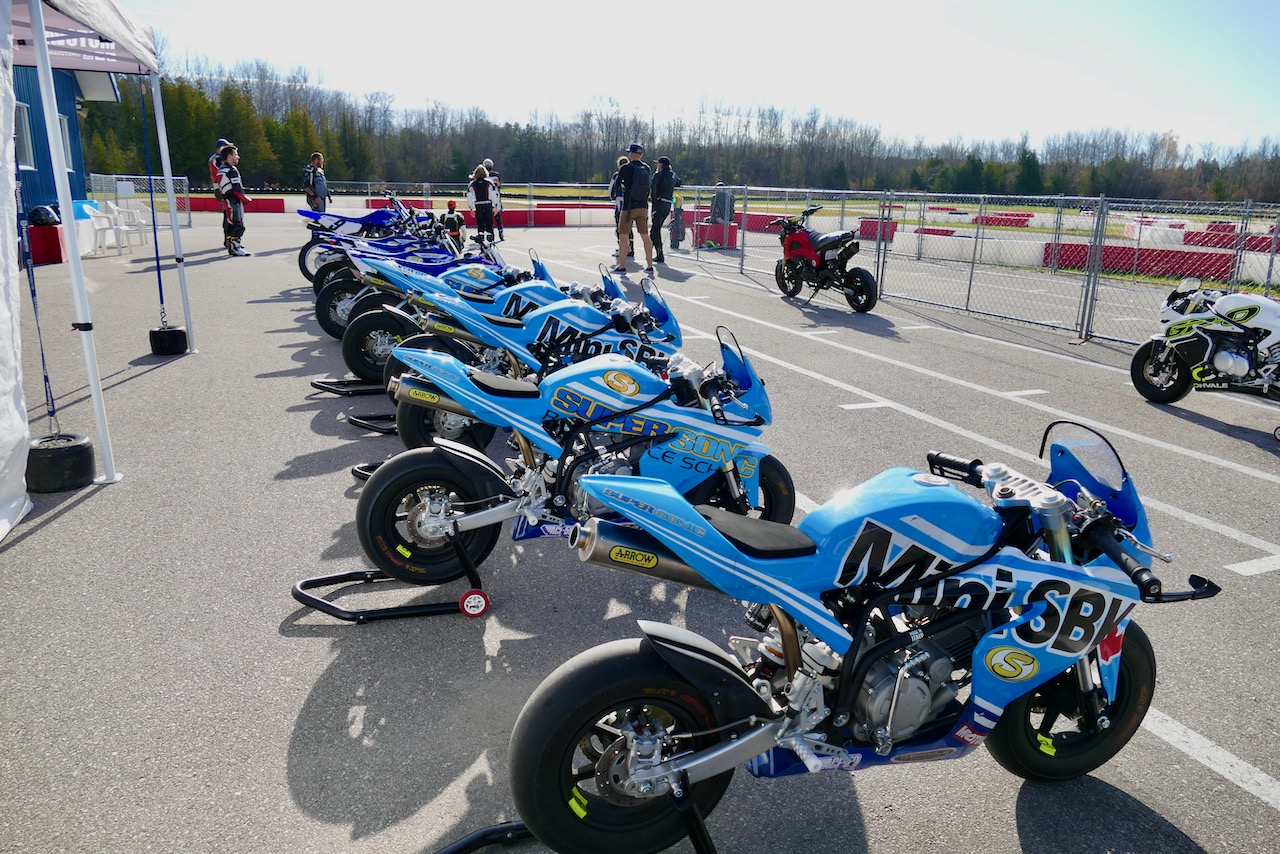
What changes from the 110
More power means less room for error at the same corner speed a 110 rider could get away with. The gap between a clean lap and a messy one widens, and so does the gap between riders who have done the work on brake discipline and riders who have not. It is also the class where gearing choices start to actually matter — you cannot just leave the bike in the same gear and ride around a mistake the way you sometimes could on the smaller bike.
What it demands from the rider
Real brake discipline, because the 160 will punish a late or grabby brake application in a way the 110 mostly forgives. Racecraft that holds up under pressure, because the grids are close enough that a rider who panics loses positions fast. And the fitness to hold a body position for a full race distance at a pace that is genuinely quicker than it looks from the fence.
What it demands from the parent
Watching a 160 race is a different experience than watching a 110 race. The pack runs tighter, the passes happen faster, and the moments that make you hold your breath come more often. It is also, honestly, more fun to watch — which is its own kind of warning, because it is easy to want the racing to stay exciting more than you want your rider to actually be ready for it. Let the readiness signs, not the entertainment value, decide when a rider moves up.