Most kids in our world start the way Toni Sharpless and the Super Sonic Road Race School’s Arrive-N-Ride program teach them to: on a small pit bike with no gearbox to think about, just throttle, brakes and lines. An Ohvale 110 is not that first bike — it is the step after it, the bike that turns “riding a small bike” into “operating a race motorcycle”: a proper gearbox, real brakes, and race bodywork at kid scale.
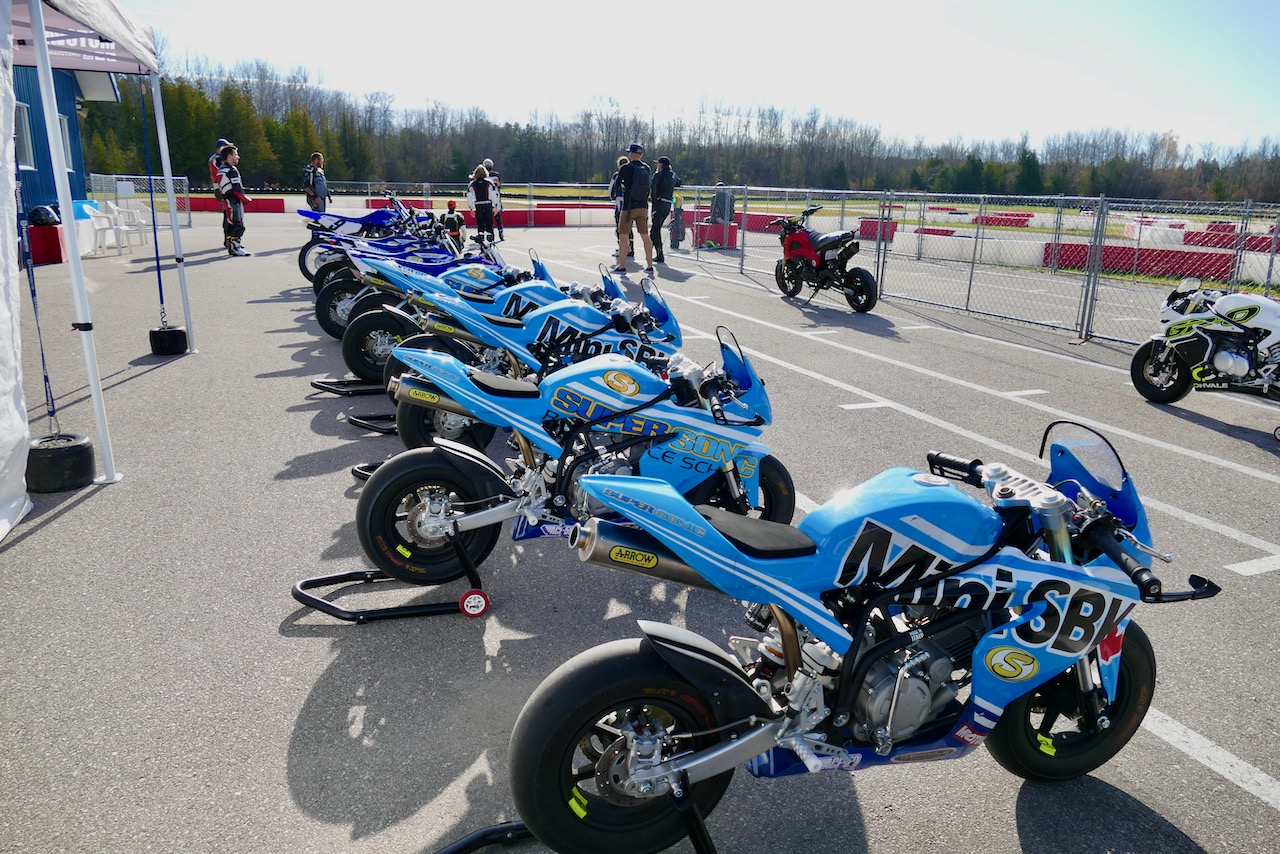
What the 110 actually is
An Ohvale 110 is a purpose-built race bike, not a pit bike with bodywork bolted on: full fairing, a proper front brake with real bite, a sequential gearbox the rider has to operate, and geometry that rewards genuine racing technique — braking markers, lean, throttle control. The distinction matters because everything a 110 teaches is transferable: the riding position, the corner entry, the discipline of a gearbox are the same skills the 160, the 190, and eventually full-size racing demand.
Who it is for
The 110 is the step after the 50cc and pit-bike classes — riders who can already ride a basic mini reliably, control speed, and, most importantly, listen in a group. The gearbox is the gate: a rider who cannot yet think ahead three seconds will find a clutch and shift pattern overwhelming on a race track. The short version of readiness is braking with intent, awareness of other riders, and coachability under pressure. When those are in place, the 110 is the most fun a young rider can legally have on two wheels.
What it teaches that a pit bike cannot
A clutch. Manual clutch control is the single biggest technical gift the 110 gives a young rider — starts, corner exits, and the whole feel-based relationship with a drivetrain that road racing runs on. Real braking: a front brake that can stop the bike properly teaches brake discipline, which is the foundation of lap time at every level after. And racecraft in a real class: the 110s race hard, close, and fair, and the lessons — holding a line, planning a pass a corner in advance, losing a position without losing the plot — are exactly the ones that follow a rider up every class.
In the family fleet
Practically: the 110 is light enough for parent transport without a gym membership, simple enough that home maintenance is realistic, and cheap enough to run that track time is not rationed. Spares are available, the class structure at MiniSBK and FIM MotoMini events gives it a real grid, and the resale market is healthy because the next family always needs one. It is the bike where a kid stops being a passenger on the idea of racing and becomes a racer with a tool that rewards them.
The first time you watch your rider click down two gears into a corner and out-brake someone on a real race motorcycle, you will understand why the paddock treats this as the class where racing actually begins. The 110 is small. What it begins is not.